
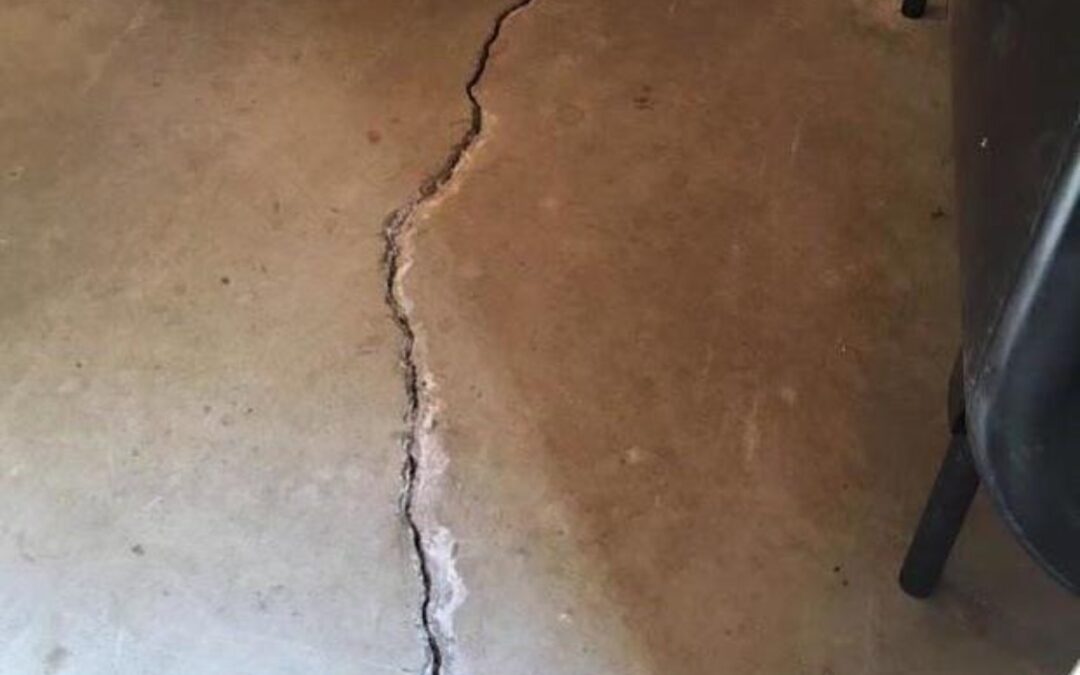
Why basement floor issues escalate quickly
Basements are uniquely vulnerable environments. Positioned below grade, they absorb the full brunt of shifting soil, rising groundwater, and structural weight from the entire home above. When something begins to fail in the basement—especially the flooring—it rarely slows down. A seemingly harmless crack can propagate like a fault line, expanding under pressure until it compromises not only the slab but the surrounding walls and support systems.
Minor damage accelerates because concrete is both strong and brittle. Once a crack appears, it becomes a stress concentrator. Temperature fluctuations, moisture intrusion, and soil expansion slowly widen the fracture. Over time, water seeps in, carrying minerals that further erode the concrete matrix. The result? A problem that rapidly compounds without visible warning until significant structural harm has already occurred.
Early signs homeowners often overlook
Many homeowners miss the earliest indicators of basement distress simply because they seem trivial. A faint musty smell, a slightly darker patch of concrete, a hairline crack that appears pencil-thin—these are often dismissed as normal imperfections. Unfortunately, these subtle clues frequently signal early-stage infiltration, moisture retention, or foundational movement. By the time symptoms become unmistakable—buckling floors, visible water pooling, expanding cracks—the damage has intensified significantly. Fast recognition and response are essential to stopping the downward spiral.
Common Causes of Basement Floor Damage
Hydrostatic pressure and moisture intrusion
Hydrostatic pressure is one of the most relentless and destructive forces acting on basement floors. When groundwater levels rise, immense pressure builds beneath and around the foundation. This pressure forces water through microscopic pathways, eventually widening them into visible cracks. Even homes with functioning drain tile systems and sump pumps can experience hydrostatic pressure spikes during storms or seasonal thawing. Over time, that pressure warps the floor, lifts sections of concrete, and causes persistent seepage.
Soil shifting, settling, and structural stress
Soil movement presents another formidable threat. Expansive clay soils swell dramatically when wet and shrink during dry periods. These cycles create irregular pressure on the basement slab. In addition, poorly compacted soil beneath the home can settle unevenly, causing the slab to sink or tilt. Earthquakes, frost heave, and underground plumbing leaks also contribute to soil displacement. All of these factors strain the concrete, leading to fractures, depressions, and uneven surfaces.
Cracks from age, poor construction, or heavy loads
Concrete naturally ages. As it cures over decades, it loses flexibility. Coupled with heavy storage loads, gym equipment, or machinery, the floor can crack under pressure. Poor construction practices—such as insufficient rebar, improper curing, or inadequate moisture control—accelerate this deterioration. While some hairline cracks are normal, many result from long-term stress that requires prompt intervention.
The Importance of Fast Basement Floor Repairs
Preventing structural deterioration
Basement floors are foundational elements. When they fail, the rest of the structure becomes vulnerable. Cracks allow water to infiltrate, corroding rebar and degrading concrete strength. As the slab weakens, it can no longer distribute the load evenly, leading to bowing walls, sinking sections, and compromised support columns. Immediate repair prevents these issues from snowballing into larger structural failures.
Avoiding costly future restoration
Delaying repairs is one of the most expensive mistakes homeowners make. A single untreated crack may cost a few hundred dollars to seal today but thousands if it leads to slab lifting, mold development, or foundation settling. Quick action reduces the total scope of damage and preserves the existing structure, saving significant money in the long run.
Protecting indoor air quality and preventing mold
Moisture is the silent saboteur of indoor air quality. Once water enters through floor cracks, it creates an environment ripe for mold colonies, bacterial growth, and harmful airborne particulates. Basement air cycles upward into the home through a process known as the stack effect, meaning basement contaminants eventually impact all living spaces. Fast repairs reduce moisture pathways and prevent biological threats from taking hold.
Identifying Damage: What to Look For
Hairline cracks vs. structural cracks
Hairline cracks typically measure less than 1/16 inch wide and often result from minor shrinkage. Structural cracks, however, are wider, deeper, and may run diagonally or appear in stair-step patterns. These larger fractures indicate significant movement or pressure imbalance. Any crack wide enough to fit a quarter—or showing vertical displacement—demands urgent attention.
Warping, buckling, and uneven flooring
Distortions in the concrete surface are red flags. Warping may indicate moisture saturation beneath the slab. Buckling suggests upward pressure or soil expansion. Unevenness can point to voids forming beneath the concrete, often caused by erosion or sinking soil. These irregularities rarely self-correct and typically worsen over time.
Signs of water seepage or efflorescence
Efflorescence appears as a chalky white residue left behind when mineral-rich water evaporates. It’s a clear indication that moisture is traveling through the concrete. Other signs include damp spots, discoloration, and bubbling paint near floor edges. Where moisture travels, structural decline eventually follows.
Immediate Steps to Stop Ongoing Damage
Controlling moisture and drainage
Before repairing the floor itself, you must stop the source of damage. Redirecting water flow is the quickest—and often most effective—first step. Ensure your gutters are clear, downspouts extend at least six feet away, and the soil around your foundation slopes downward. Sometimes this alone significantly slows deterioration.
Temporary patching to halt spreading cracks
Epoxy fillers or rapid-setting cement patches provide temporary stabilization. While these do not replace full repairs, they can prevent cracks from widening during rainstorms or freeze-thaw cycles. Think of them as medical sutures—short-term protection until proper restoration is performed.
When to call a professional immediately
If you see substantial water intrusion, rapidly growing cracks, or noticeable floor shifting, professional intervention is urgent. These conditions suggest active foundational failure or dangerous pressure buildup beneath the slab.
Repair Options for Different Types of Damage
Epoxy crack injections for small fractures
Epoxy injections penetrate deeply into cracks, bonding the concrete together and restoring tensile strength. The material cures into an exceptionally rigid, durable filler that prevents the crack from ever expanding again.
Polyurethane foam for active leaks
Polyurethane foam reacts with moisture to expand and seal leaks. Its flexibility makes it ideal for cracks that experience movement or water flow. This method is highly effective for stopping real-time seepage.
Concrete resurfacing for worn-out surfaces
Resurfacing involves placing a new thin layer of high-strength concrete or polymer-modified mortar over the existing floor. This rejuvenates surfaces that are pitted, rough, or flaking without requiring full replacement.
Full slab replacement for severe structural issues
If the floor exhibits major sinking, deep fractures, or widespread moisture damage, a complete slab replacement may be the safest solution. While costly, it ensures long-term structural stability and eliminates underlying problems.
Moisture Control: The Foundation of Long-Term Repair
Exterior grading and gutter management
Proper drainage is indispensable. If water collects near your foundation, even the strongest slab will eventually fail. Regrading soil, installing French drains, or extending downspouts are low-cost interventions that create massive long-term benefits.
Interior waterproofing systems
Interior drainage channels, sump pumps, and perimeter waterproofing membranes create a controlled system that diverts groundwater away from the basement. These systems prevent pressure buildup beneath the slab.
Vapor barriers and sealants
Vapor barriers block moisture migration from the soil into the concrete. Surface sealants add a second layer of protection, reducing permeability and preventing water vapor from entering the living space.
Reinforcing the Floor for Future Protection
Concrete strengthening techniques
Densifiers penetrate the concrete and chemically react to increase hardness and reduce dusting. Micro-toppings add resiliency and thickness. Both methods enhance the lifespan of the floor.
Rebar and mesh reinforcement
Embedding steel rebar or reinforcing mesh distributes loads more evenly and significantly reduces the likelihood of future cracking.
Advanced polymer overlays
Polymers create a flexible yet extremely durable surface layer. These overlays resist abrasion, chemicals, and impact—ideal for basements used as workshops or storage areas.
The Role of Professional Inspection
Why DIY diagnosis often falls short
Basement systems are complex. Without specialized tools, homeowners typically only see surface symptoms—not the deeper problems causing them. Misdiagnosis often leads to ineffective repairs.
Technologies experts use to detect hidden issues
Infrared cameras, moisture meters, rebar locators, and slab scanners detect problem zones that are invisible to the naked eye. Professionals can assess slab thickness, voids, and water pathways with remarkable precision.
Creating a long-term repair strategy
A professional evaluation results in a customized action plan that addresses both the immediate symptoms and the underlying causes. This holistic approach prevents recurring damage.
Cost Considerations for Basement Floor Repairs
Budgeting for minor vs. major repairs
Small crack injections may cost a few hundred dollars, whereas full slab replacements can exceed several thousand. Understanding the severity of the issue helps homeowners plan effectively.
Factors that influence pricing
Soil conditions, moisture levels, accessibility, slab thickness, and the chosen repair method all affect cost. Homes in high-water-table areas typically require more extensive solutions.
Why fast action saves homeowners money
Small problems left unchecked inevitably escalate. Quick repairs prevent widespread structural damage, reducing future repair costs by thousands.
Preventing Future Basement Floor Problems
Routine monitoring and maintenance
Regular inspections allow homeowners to detect early warning signs before they evolve into major nightmares. A simple monthly walkthrough can prevent expensive damage.
Humidity control and dehumidifiers
Basements thrive on humidity unless actively managed. A high-capacity dehumidifier can dramatically reduce moisture-related deterioration.
Seasonal checks for shifting or seepage
Soil movement fluctuates seasonally. Examining the floor during spring thaw, summer rainstorms, and winter freeze cycles ensures you catch early changes.
When Repairs Aren’t Enough: Full Renovation Signs
Structural red flags
Large cracks, floor displacements, or significant sinking indicate deeper structural instability that often requires full renovation.
Safety concerns and load-bearing issues
If the slab can no longer safely support normal loads, it becomes a hazard. Renovation is the only responsible solution.
When replacement offers better long-term value
Sometimes replacing the entire slab costs less over time than piecemeal repairs that never truly solve the issue.
Stronger, Safer Basements Start With Fast Action
Basement floor damage rarely resolves itself. Instead, it accelerates—quietly, steadily, and often without obvious warning. Fast repairs stop the spread, protect the structure, and preserve your home’s safety. By intervening early, controlling moisture, reinforcing concrete, and relying on expert evaluation, homeowners can transform a vulnerable basement into a fortified, dependable, and long-lasting foundation for their entire home.